
Need Help? +91 908-239-7306 / support@aumhimalaya.com
Flower Database
Neem Tree
Azadirachta indica A.Juss. · Indian Lilac · Margosa · Nimba
निम्ब · The village pharmacy and the sacred protector. A bitter, cooling tree of the Indian plains that shelters the Goddess Shitala, flavours the festival of Ugadi and has served Ayurveda for thousands of years.
Chapter 1
Botanical Profile
Neem is a fast-growing, evergreen to semi-deciduous tree of the mahogany family (Meliaceae), usually 15–20 metres tall, with a broad, rounded crown, dark grey fissured bark and great tolerance of heat and drought. It is native to the Indian subcontinent and parts of Southeast Asia, and is now planted across the tropics.
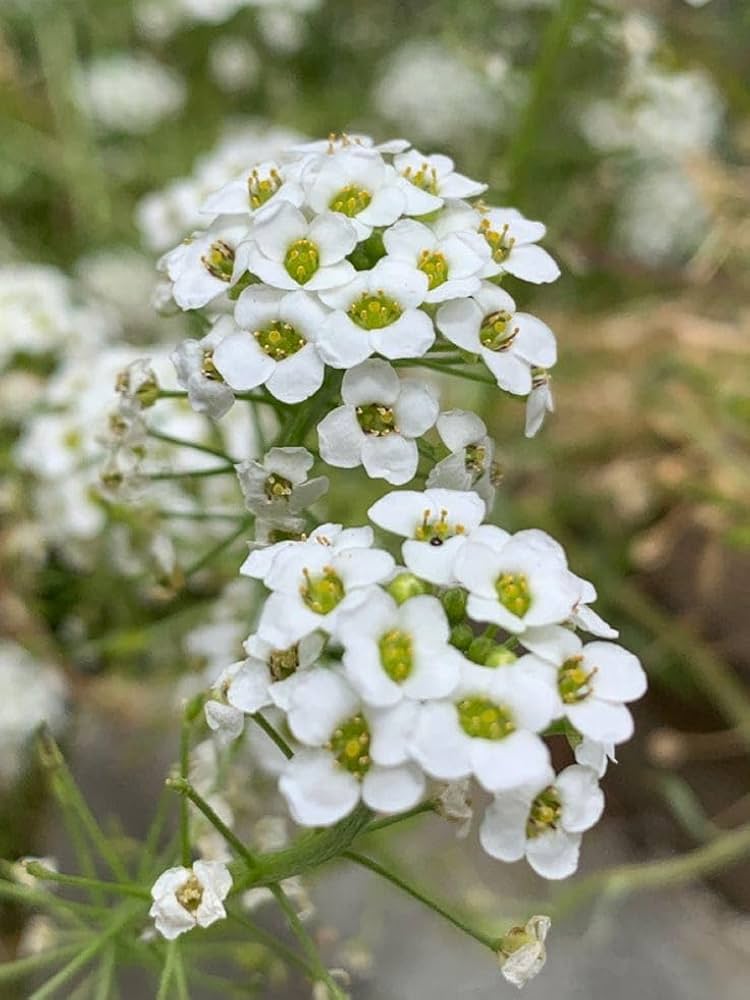
Its long compound leaves carry about 9–19 sharply toothed leaflets. In spring, drooping clusters of small white flowers appear, and their honey-like scent draws bees. Each flower has five petals. The fruit is a smooth, olive-like drupe that ripens from green to yellow, with a single bitter seed whose kernel yields neem oil. The bitterness comes from limonoids such as nimbin, nimbidin and azadirachtin.
Illustration: honey-scented flower clusters and olive-like fruits
| Feature | Description |
|---|---|
| Family | Meliaceae (mahogany family) |
| Habit | Evergreen to semi-deciduous tree, 15–20 m or more; drought-hardy |
| Leaves | Pinnate, 20–40 cm, with about 9–19 toothed, slightly curved leaflets |
| Flowers | Small, white, honey-scented, in loose drooping clusters; spring |
| Fruit | Smooth drupe, 1–2 cm, green turning yellow; one seed |
| Key compounds | Limonoids (nimbin, nimbidin, azadirachtin), flavonoids, polysaccharides |
| Habitat | Dry plains and roadsides; India, Pakistan, Bangladesh, Nepal, Sri Lanka, Myanmar |
Know the lookalike. Persian lilac or bakain (Melia azedarach) resembles neem but is not the same plant. Its fruits are poisonous.
Chapter 2
Names in Sanskrit & Their Meaning
| Sanskrit | Transliteration | Meaning |
|---|---|---|
| निम्ब | Nimba | Traditionally glossed as “that which gives health”; source of the Hindi Neem |
| अरिष्ट | Arishta | “Unfailing, auspicious”; the one that keeps harm and disease away |
| पिचुमर्द | Pichumarda | A classical name linked to relieving skin afflictions |
| सर्वतोभद्र | Sarvatobhadra | “Good in every way” |
| तिक्तक | Tiktaka | “The bitter one” |
Regional names: Neem / Nim (Hindi, Bengali), Limbdo (Gujarati), Kadunimb (Marathi), Veppam / Vembu (Tamil), Vepa (Telugu), Bevu (Kannada), Aryaveppu (Malayalam), Margosa and Indian Lilac (English).
Chapter 3
Mythology & Cultural Significance
Drops of Amrit
A popular legend says that when drops of the nectar of immortality fell to the earth, whether during the churning of the ocean or the flight of Garuda, they touched the neem tree and gave it its healing power. It is often called the “tree of life”.
Shitala Devi
Neem is sacred to Shitala, the goddess of fevers, pox and cooling. Her devotees hang neem sprigs at doors, spread leaves around the sick, and offer neem leaves and cool water to her. A similar tradition honours Mariamman in the south.
Lord Jagannath, Puri
The wooden deities of Jagannath, Balabhadra and Subhadra are carved from sacred neem logs (daru), and are renewed in the Nabakalebara ritual, in which a special neem tree is chosen by signs.
Ugadi & Gudi Padwa
At the new year, many households taste a blend of neem flower, jaggery, raw mango, tamarind and more. It is a reminder that life brings both bitter and sweet and should be accepted with equanimity.
The Village Tree
Neem is the tree under which villages hold their assemblies, children play and elders rest. Its twigs are the traditional chewing stick (datun), and its leaves protect stored grain and cloth.
Chapter 4
Esoteric & Energetic Understanding
In spiritual interpretation, neem is the great purifier and protector. These are traditional and symbolic associations, not scientific claims.
- Bitterness as a teacher: truth is often bitter before it is healing. Neem stands for honesty and discernment.
- Purification: cooling, cleansing and clearing, both of the body and of the atmosphere around the home.
- Protection: sprigs at doorways and around the sick are folk wards against illness and negative influence.
- Vishuddha (throat) chakra: clear expression and the courage to speak truth, symbolically linked with its bitter, clearing quality.
- The cooling Mother: the compassionate side of the Goddess that soothes burning fevers, anger and fear.
The bitter leaf teaches what the sweet one cannot.
Chapter 5
Ayurvedic Uses
Every part of the tree is used in traditional medicine: leaves, flowers, bark, fruit, seed oil and twigs. It is one of the most important plants in Ayurveda, Siddha and Unani.
Ayurvedic Profile
- Rasa: Tikta (bitter), Kashaya (astringent)
- Guna: Laghu (light)
- Virya: Sheeta (cooling)
- Dosha: balances Pitta and Kapha
Traditional Uses
- Skin conditions, itching, boils and eruptions (kushta, kandu)
- Fever and cleansing of the blood (rakta shodhana)
- Worms and digestive purification
- Oral and dental care using the twig (datun)
- Wound and scalp care; dandruff and lice
- Support in blood sugar balance (prameha)
Science So Far
Lab studies show antibacterial, antifungal and anti-inflammatory activity, and small human studies on neem mouthwash and gel for gum health are promising. Evidence for diabetes and other internal uses is mostly from animals or limited trials.
Important safety note. Neem oil must never be swallowed, especially by infants and children, as it can be seriously toxic. Neem is traditionally avoided in pregnancy and when trying to conceive, in infants, and in long-term high doses, which may stress the liver or kidneys. It may lower blood sugar, so check with your doctor if you take diabetes medicines. Consult a qualified practitioner before using neem internally.
Chapter 6
Neem Flower Remedy
In flower-remedy practice, a remedy is a subtle, energetic preparation made from the flower’s imprint in water, not an herbal extract. Neem is approached as the flower of purification and honest self-clearing.
Emotional States
- Carrying old resentment or “bitter” feelings
- Absorbing other people’s negativity or stress
- Struggling with boundaries and self-protection
- Avoiding hard truths about oneself or a situation
Positive Qualities
- Emotional cleansing and a fresh start
- Honesty, clarity and discernment
- Calm, cooling response to anger and heat
- Healthy boundaries and inner protection
Flower remedies are a complementary, spiritual approach. There is insufficient scientific evidence that they treat emotional or physical health conditions, and they should not replace medical or psychological care.
Chapter 7
In the Company of the Neem Tree
A mature neem gives deep, cool shade even in the hottest season. People often describe the following (personal experiences, not guaranteed effects):
Emotional
Coolness and relief, as if heat, irritation and agitation are slowly released in its shade.
Mental
Clarity and a no-nonsense calm; a good place for honest reflection and decision-making.
Spiritual
A sense of being guarded and cleansed, with respect for the protective Mother in nature.
Simple Practices
- Sit in its shade for 10–20 minutes in the afternoon, breathing slowly and letting the heat of the day cool.
- Name what is bitter: think of one hard truth you have avoided, accept it, and ask what it teaches.
- Hang a sprig at the doorway as a traditional blessing of protection.
- Plant one in a spacious, sunny place; it needs room and little water once established.
- Welcome the bees: the flowering season is a gentle time to watch pollinators at work.
Please note that pollen, dust or sap may trouble people with allergies, and the fruit and seeds should not be eaten.
Flowers are conscious, intelligent forces.
Explore Aum Himalaya’s Indian flower remedies for body, mind and emotions.
Shop Remedies Flowers Database