
Need Help? +91 908-239-7306 / support@aumhimalaya.com
Flower Database
Coriander · Dhaniya
Coriandrum sativum L. · Cilantro · Chinese Parsley · Dhanyaka
धान्यक · The green of every Indian kitchen. We know it for its leaves and seeds, but left to bloom, coriander lifts a lacework of tiny white umbrella-flowers that draws bees and butterflies. From its seeds come Janmashtami’s dhaniya panjiri and the Dhanteras custom of welcoming wealth.
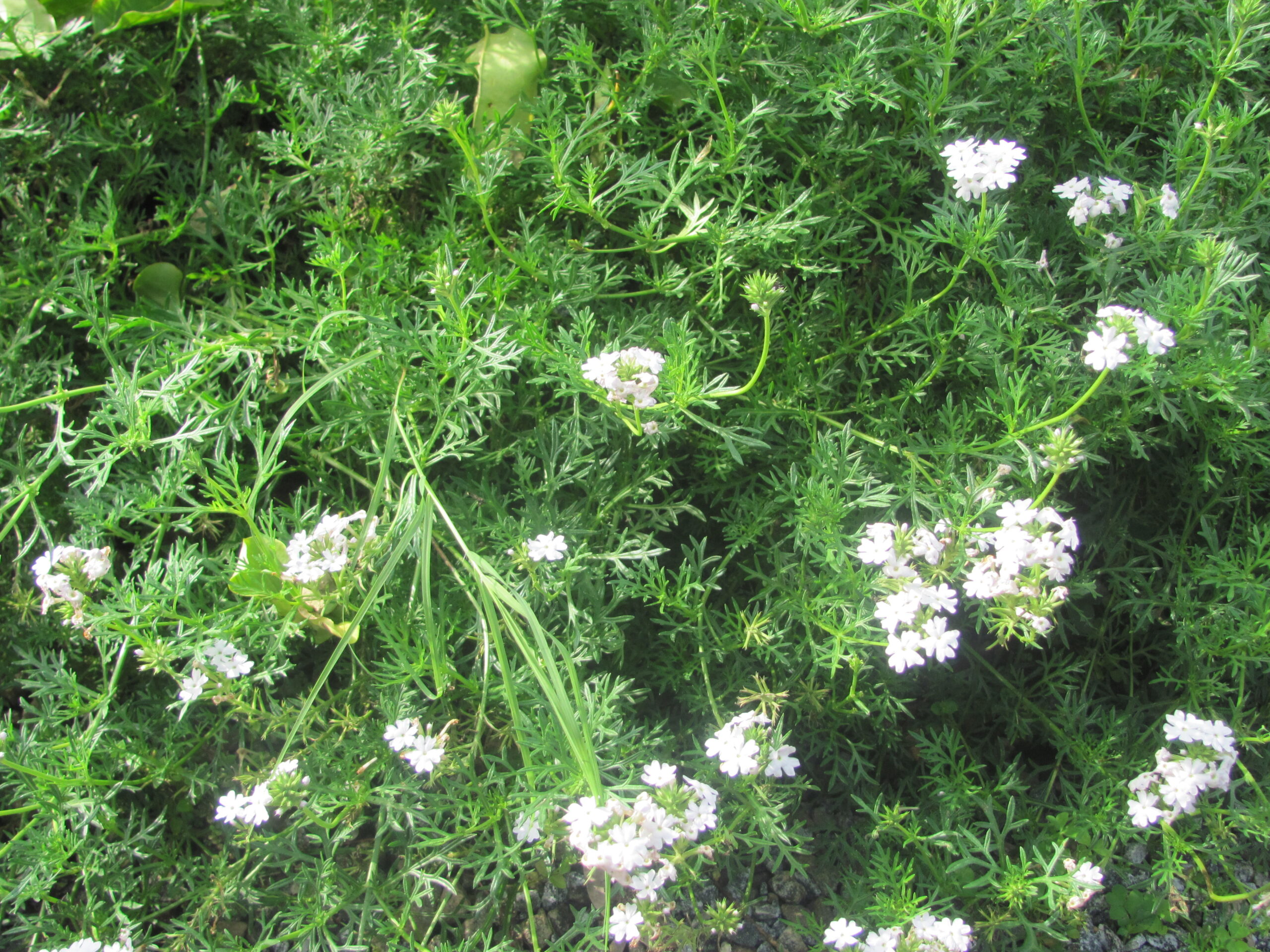
Coriander (Coriandrum sativum) flowers.
Chapter 1
Botanical Profile
Coriander is a soft, hairless, strongly aromatic annual herb of the carrot and parsley family (Apiaceae, also called Umbelliferae), usually 20–70 cm tall. It is native to the Mediterranean and western Asia and has been grown in India for thousands of years, which is now one of the world’s largest producers and consumers, particularly in Rajasthan, Madhya Pradesh and Gujarat. Its lower leaves are broad and lobed, while the upper leaves are finely cut and feathery, a striking change in form that is typical of the species.
In warm weather, or when left to mature, the plant bolts and sends up a branching stem topped with compound umbels, flat-topped clusters of small flowers like tiny umbrellas. Each flower is white to pale pink or lavender, with five petals; the outer flowers of each cluster have longer, spreading outer petals. These are visited by bees, hoverflies, wasps and butterflies, and attract beneficial insects that prey on garden pests. The flowers become round, ridged, straw-coloured fruits, which are the “seeds” we know as dhaniya. Fresh leaves are rich in vitamins, and the seeds in aromatic oil, mostly linalool.
Illustration: a coriander umbel with tiny flowers, a feathery leaf and round “seeds”
| Feature | Description |
|---|---|
| Family | Apiaceae (carrot and parsley family) |
| Habit | Annual herb, 20–70 cm; cool-season crop that bolts quickly in heat |
| Leaves | Lower leaves broad and lobed; upper leaves finely cut and feathery; strongly aromatic when bruised |
| Flowers | Small, white to pale pink or lavender, five petals, in compound umbels; outer flowers larger |
| Fruit | Round, ridged, straw-coloured fruit that splits into two halves; the spice “seed” |
| Key constituents | Essential oil (mainly linalool), aldehydes (in fresh leaf), flavonoids, vitamins |
| Habitat | Sunny, well-drained, cool-season fields and gardens; widely cultivated |
The soapy-taste gene. About one in five people, depending on ancestry, finds fresh coriander leaves taste soapy, partly because of variation in a gene for smell receptors. It is not a matter of preference alone, and it does not apply to the seeds in the same way.
Chapter 2
Names in Sanskrit & Their Meaning
| Sanskrit | Transliteration | Meaning |
|---|---|---|
| धान्यक | Dhanyaka | The classical Ayurvedic name for coriander, linked with dhanya, “grain” or “wealth”, the source of Hindi Dhaniya |
| कुस्तुम्बरु | Kustumburu | Another classical name for coriander in Sanskrit texts |
Regional names: Dhaniya / Dhania (Hindi, Urdu, Bengali, Odia), Kothimbir (Marathi), Dhana / Kothmir (Gujarati), Kothamalli (Tamil), Kothimeera (Telugu), Kothambari (Kannada), Malli (Malayalam), Cilantro (Spanish, used in the Americas) and Coriander (English, from Greek koriandron).
Chapter 3
Mythology & Cultural Significance
Coriander has no great Puranic story, but it is woven into Indian festivals, kitchens and one of the oldest spice records in the world.
Dhaniya Panjiri on Janmashtami
On Krishna Janmashtami, many North Indian households prepare dhaniya panjiri, a sweet offering of roasted coriander powder with sugar, ghee and dry fruits, and offer it to the child Krishna as prasad.
Dhanteras and “Dhan”
On Dhanteras, the festival of wealth before Diwali, whole coriander seeds (dhaniya) are traditionally bought and offered, as the word echoes dhan, wealth. The seeds are often later sown in the garden as a symbol of growing prosperity.
An Ancient Spice
Coriander seeds were found in Egyptian tombs, including Tutankhamun’s, and the herb appears on Mycenaean clay tablets from Greece. The Bible compares manna to coriander seed. It is one of the oldest spices known.
The Hearth Herb
Fresh coriander leaves are in chutneys, dals, raitas and garnishes, while the seed is in garam masala, sambar powder and almost every tempering. For many Indian families it is the smell of home cooking.
A Friend of the Garden
Gardeners let a few plants flower because the umbels attract hoverflies, lacewings, ladybirds and bees, so coriander is a pollinator plant as well as a herb.
The Name
The word coriander comes from the Greek koris, “bug”, said to refer to the odour of the fresh plant, while cilantro is the Spanish for the same plant.
Chapter 4
Esoteric & Energetic Understanding
In spiritual interpretation, coriander is a plant of cooling, cleansing and humble prosperity. These are traditional and symbolic associations, not scientific claims.
- Many tiny umbrellas: each umbel is a miniature chhatra, the umbrella that is a classical Indian symbol of protection and sovereignty.
- Cooling the inner fire: its fresh, green character is linked with soothing heat of mind and body, and with balance at the solar plexus (Manipura).
- Dhan, humble wealth: prosperity not as gold, but as a full kitchen, a good meal and shared abundance.
- Cleansing freshness: the bright, green scent is used in folk practice to freshen the mind and clear heaviness.
- Bloom after use: a herb that gives its leaves and then, left alone, blossoms and feeds the garden, a symbol of generosity that continues.
Humble things, tended well, feed everyone.
Chapter 5
Ayurvedic Uses
The seeds (dhanyaka) and the fresh leaves are the main parts used. The flowers and the roots appear in folk practice.
Ayurvedic Profile (seed)
- Rasa: Kashaya (astringent), Tikta (bitter), Madhura (sweet)
- Guna: Laghu (light), Snigdha (unctuous)
- Dosha: valued as balancing all three, especially Pitta
- Action: Deepana-Pachana (digestive), Trishna-hara (quenches thirst), Daha-hara (relieves burning)
- Note: the potency (virya) is listed differently in different sources
Traditional Uses
- Indigestion, gas, colic and poor appetite
- Burning sensation, acidity and excess heat, often as cold seed water
- Loose stools and mild urinary burning
- Thirst and fever
- Seasonal allergies and skin troubles, in folk use
Classical Preparations
- Dhanyaka Hima: cold infusion of the seeds
- Dhanyaka Kwatha: decoction
- Fresh leaf chutney and juice as everyday foods
Science So Far
Laboratory and animal studies show digestive, antioxidant, antimicrobial, blood-sugar-lowering and cholesterol-lowering effects, and some small human trials support benefits for digestive complaints. Evidence is still limited, so the uses remain largely traditional.
Health note. Coriander as a food is generally safe. People allergic to celery, carrot, fennel, cumin or mugwort may react to it. Fresh leaves should be washed very well, since raw herbs have been linked to stomach infections. Medicinal amounts may lower blood sugar and blood pressure, so check with your doctor if you take medicines for these. High medicinal doses are traditionally avoided in pregnancy. Consult a qualified practitioner before using seed preparations therapeutically.
Chapter 6
Coriander Flower Remedy
In flower-remedy practice, a remedy is a subtle, energetic preparation made from the flower’s imprint in water, not an herbal extract. Coriander is approached as the flower of cooling clarity and gentle renewal.
Emotional States
- Feeling overheated, irritable or inflamed by stress
- Difficulty “digesting” emotions or life events
- Heavy, stale or sluggish feelings
- Being overly sharp or critical with oneself or others
Positive Qualities
- Cool, calm clarity
- Lightness and a sense of fresh start
- Gentle self-care and nourishment
- Contentment with simple abundance
Flower remedies are a complementary, spiritual approach. There is insufficient scientific evidence that they treat emotional or physical health conditions, and they should not replace medical or psychological care.
Chapter 7
In the Company of Coriander
A patch of coriander in flower is a hum of bees and a flutter of small butterflies over a sea of white lace, with a green, citrusy smell in the air. People often describe the following (personal experiences, not guaranteed effects):
Emotional
Freshness and ease, like opening a window in a stuffy room.
Mental
Brightness and light focus, from the clean, green aroma.
Spiritual
Gratitude for ordinary food, and the joy of sharing a harvest.
Simple Practices
- Crush and breathe: rub a leaf between your fingers, inhale slowly and notice how your shoulders drop.
- Mindful washing: wash fresh coriander slowly and thoroughly, thanking the farmer and the soil.
- Let it flower: leave a few plants to bloom and watch the bees, hoverflies and butterflies at work.
- Sow with intention: sow a few seeds on Dhanteras or in the cool season (roughly October to February in most of India), with a wish for plenty.
- Grow it well: sow directly in sun in cool weather, keep the soil lightly moist and sow every few weeks, since heat makes it bolt.
Flowers are conscious, intelligent forces.
Explore Aum Himalaya’s Indian flower remedies for body, mind and emotions.
Shop Remedies Flowers Database